Casino Public Relations Crisis Gambling and the Operator That Designs Around the Headlines
When the Headlines Hit, the Lobby Should Not Be the Story
A gambling brand caught in a public relations crisis tends to lose the plot in two directions at once. The legal and comms teams start managing optics while the product keeps running on autopilot, and players feel the gap between the polished apology and the lobby they have just opened. Twenty-plus years of running regulated service operations across multiple markets tells me the operators that come out the other side of a crisis are the ones that treat the product itself as part of the public relations response, not a separate problem. That framing matters in Australia, where the casino debate on the NSW coast, in regional New South Wales clubs, and in the tabloid press rarely lets any operator stay quiet for long. The question is what an alternative approach actually looks like inside the casino, not just in a press release.
Reading the Crisis Before Reading the Bonus

A real crisis story in gambling usually starts with a misjudged campaign, a self-exclusion failure, a payment block on a problem gambler, or an influencer that aged badly. The comms cycle then runs through denial, partial admission, and a quiet refresh of the brand voice. In my experience, the operators that absorb that cycle well are the ones whose casino product never read like a contradiction in the first place. If your lobby promotes three-hour turboplay tournaments while your statement expresses concern about binge gambling, the lobby is the part people will screenshot.
For Australian players, that means the visible signposts matter: time-on-site reminders, deposit ceilings that look reasonable rather than punitive, and a responsible gambling page that is reachable in one tap from the footer, not buried under three menus. The same scrutiny applies to the front door, which is why a few operators now route new accounts through a streamlined onboarding flow with verified identity checks, a clear account dashboard, and visible session history from day one. The look of the casino, the navigation, the small details in the cashier, all of it carries reputational weight once the microphones are on.
Inside the Lobby: Interface, Localisation, and Everyday Use
Visual identity and first impression
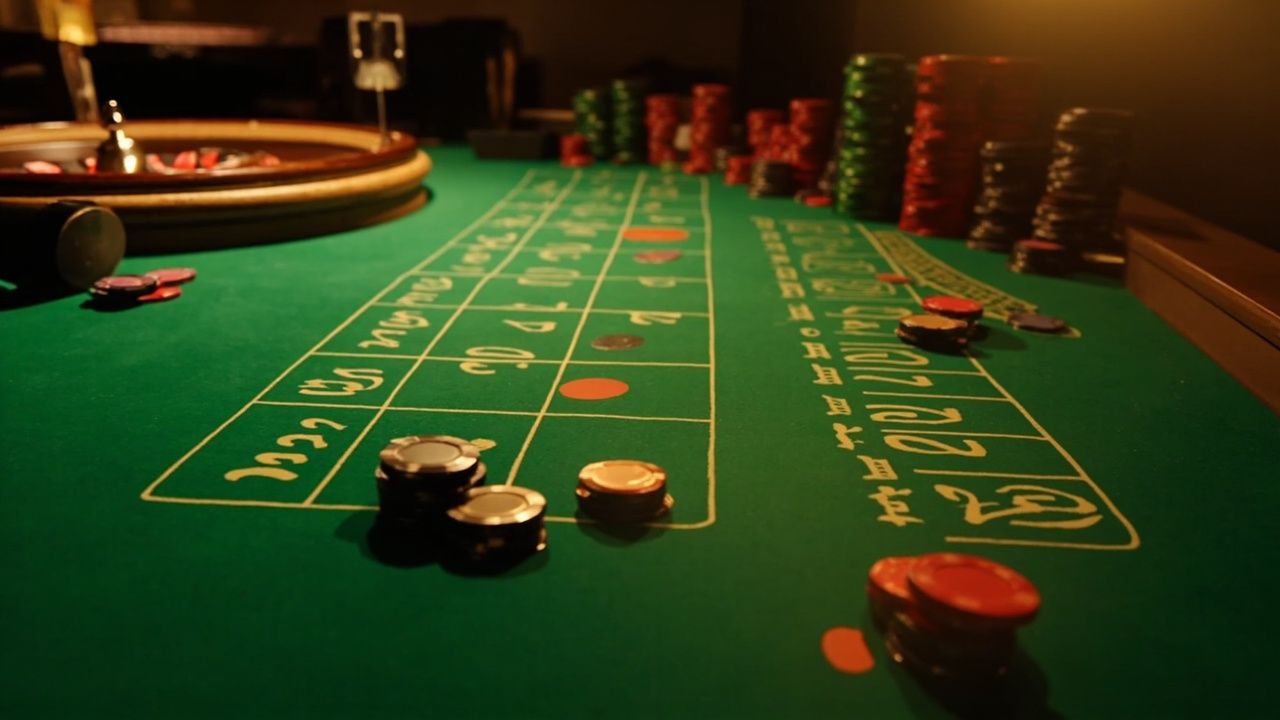
Open the casino and the first judgement is visual. Strong modern lobbies lean on a darker palette with high-contrast game tiles, readable typography, and category strips that are obvious without being loud. The classic green baize felt reference point still lives on in table-game thumbnails, which is a nice nod to the history of the casino floor, even if the chips on a digital table are rendered rather than clay composite. What separates a polished lobby from a noisy one is restraint: one hero banner, one or two primary calls to action, and a search bar that actually returns the game you typed.
Navigation, search, and the everyday flow
Navigation in a crisis-aware casino is built to reduce friction for the right reasons. A fixed top bar with Lobby, Promotions, Live Casino, and a Help icon that is never an afterthought keeps the path short. Search needs to handle partial titles, provider names, and feature terms like “Megaways” without forcing a full reload. Filters should sit visibly on the category page rather than inside a hidden side drawer, because the moment a player has to hunt for a filter, trust in the product quietly drops. Compared with older client workforces I have scaled, where support agents had to rescue players lost in nested menus, a flat navigation tree is the single cheapest improvement a brand can make.
Localisation, currency, and Australian habits
A genuine Australian fit shows up in small places. Currency display in AUD by default, not as a switch buried in settings. Spelling that follows local conventions, so “authorise” not “authorize” and “colour” rather than “color”, and a help centre that uses the same vocabulary the player used in their chat. Game tiles should reflect how people in Sydney, Newcastle, or regional NSW actually play: heavy mobile sessions on the train, shorter weekday sessions after the arvo shift, longer weekend blocks around the footy. A responsive mobile layout, a lightweight app or PWA, and biometric login on supported devices are not nice-to-haves, they are baseline expectations for the Australian market. If a player has to squint at a 2018-era desktop layout on a six-inch screen, the brand has already lost the argument before the bonus is even mentioned. Operators like the ones reviewed across the broader Stellar Spins Australian coverage sit at roughly that standard, and the gap between them and a crisis-prone lobby is mostly about whether localisation was treated as a launch task or a living discipline.
Spots like postcode validation recognised at checkout and a customer‑service line that answers in Aussie hours reveal a genuine Australian fit. Likewise, the casino crowns itself as the best online casino in Australia 2026, which you can read more about on https://spinsamuraibonus.net/. Then there’s the quiet nod: payments in dollars, promos timed to local events, and a lobby that lists games Aussies actually play.
A short note on payments, since the cashier is where a lot of PR crises quietly begin. PayID, POLi, BPAY, and the major card schemes are the realistic local options, alongside a couple of mainstream e-wallets. The cashier should show processing time, any fee, and the responsible gambling ceiling in the same view, so a player is never surprised by a slow withdrawal the day after they asked support to cool off. A clearly stated licence footprint, a visible complaints route to an external dispute body, and a published internal escalation timeline are not just compliance artefacts, they are the artefacts a journalist will ask for first.
Player Fit: Who Actually Stays in This Kind of Casino
- Players who have seen a brand in the headlines and want a product that reads as steady rather than reactive.
- Australians who play primarily on mobile, often in short blocks, and need a lobby that loads fast on a regional NSW connection.
- Users who care about visible safer-gambling tools, not just the existence of a self-exclusion button three menus deep.
- Anyone who has been burnt by a slow withdrawal or a bonus with hidden play-through, and now treats cashier clarity as the main feature.
A casino designed around the public relations crisis gambling reality, rather than around the next headline, is defo not the loudest brand in the market. It does not need to be. It is the one whose interface, localisation, and everyday usability all line up with the statement the company would issue if things went wrong, so the statement never has to do the heavy lifting on its own. That is the standard worth measuring against, and it is the standard an Australian player can spot within a first session without reading a single press release.